THE METHOD

Simple to enter. Not intellectually shallow.

Four roles. A real dilemma to navigate. A virtue as a compass. A group willing to pay attention with all their senses and follow the Logos wherever it leads. Underneath that simple structure sits a much older inquiry: how do human beings learn to notice what matters, especially when the path is uncertain?

Co-Virtue draws on Socratic dialectic, traditions of practical wisdom, and contemporary cognitive science. You do not need any of it to take part. This page is for those who want to know why the circle works the way it does.

THE CORE IDEA

A room can hold all the right information and still be looking in the wrong direction.

Much of professional life treats hard decisions as information problems: gather more data, build another model, ask another expert. Sometimes that is exactly right. But some problems persist after the relevant information is already on the table. The difficulty is no longer knowing more. It is determining what matters most.

Cognitive scientist John Vervaeke calls this challenge relevance realization (follow this link to learn more): out of everything we could notice, interpret, or do, how do we keep determining what matters now? Groups face a similar challenge. Finance sees risk, operations sees feasibility, a founder sees purpose, an investor sees opportunity. None of these is false. Each makes different things stand out. Good collective judgment means moving among these perspectives, noticing what each reveals and what each conceals, and arriving at a more integrated view of the whole.

One decision
Finance(risk)
Operations(feasibility)
Founder(purpose)
Investor(opportunity)
Employees(uncertainty)
Community(consequences)

Disagreement is often a difference in what stands out, not in the facts.

THE CIRCLE

Four roles, four kinds of attention. Everyone rotates.

Each round lasts about twelve to fifteen minutes. By the time a circle closes, every participant has held every role, so no one permanently occupies the position of expert, critic, or observer.

Logos Proposer Midwife Scribe Vibe
Role

Proposer

Offers their living understanding of the virtue in their own words, the seed each round works with

The capacity it builds

Stating a position clearly and letting it be examined

RoleWhat they doThe capacity it builds
ProposerOffers their living understanding of the virtue in their own words, the seed each round works withStating a position clearly and letting it be examined
MidwifeHelps meaning emerge through questions, reflection, and gentle challenge, without supplying answersAsking questions that open rather than corner
ScribeTracks what was proposed at the start and what changed by the endSynthesis: seeing how thinking actually moved
VibeAttends to tone, pace, posture, silence, and moments of tension or releaseReading the room, and noticing what words alone miss

These are professional and interpersonal capacities required of us regularly. The circle lets people practice them deliberately, and in rotation.

WHY VIRTUE

A virtue can reorganize a decision without changing the facts.

Virtues have been used for thousands of years as ways of thinking about judgment and action. Co-Virtue treats them neither as commandments nor as personality traits to score. They are lenses. Courage can reveal where fear has too much authority. Patience can reveal where urgency is distorting a decision. Humility can reveal where certainty has become too comfortable.

Practical wisdom (Phrónēsis) may well sit above all four categories (i.e., a meta-virtue). It is the capacity to discern which virtue the moment calls for, and how much of it to apply (we’ll learn about this translucency of application during the sessions). Every other virtue can malfunction without it.

Self-Governance & Steadiness

  • Courage (Andreía)
  • Temperance (Sōphrosýnē)
  • Constancy (Constantia)
  • Patience (Patientia)

Intellectual Character & Learning

  • Humility (Humilitas)
  • Curiosity (Curiositas)
  • Open-Mindedness
  • Perspective (Perspicere)

Care & Reciprocity

  • Compassion (Misericordia)
  • Friendship (Philía)
  • Generosity (Eleutheriótēs)
  • Gratitude (Gratitudo)

Care & Reciprocity

  • Compassion (Misericordia)
  • Friendship (Philía)
  • Generosity (Eleutheriótēs)
  • Gratitude (Gratitudo)

Justice, Trust & Responsibility

  • Justice (Dikaiosýnē)
  • Integrity (Fides)
  • Responsibility (Respondere)
  • Concord (Homónoia)
FOUR WAYS OF KNOWING

Knowing is more than having the right sentence.

One idea at the heart of the practice is the distinction among four interrelated ways of knowing. Most professional settings reward only the first. The circle engages all four.

Way of knowing In plain terms An everyday example How the circle engages it
PropositionalKnowing thatKnowing that deep listening mattersProposals are stated, examined, and refined
ProceduralKnowing howActually listening without interruptingSkills are practiced in rotating roles, not just discussed
PerspectivalKnowing from somewhereA seasoned operator and a new hire noticing different things in the same meetingRoles and virtue lenses deliberately shift the vantage point
ParticipatoryKnowing by taking partLeading is different from knowing leadership theoryShared attention and relationship within the circle itself
FROM DIALECTIC INTO DIALOGOS (DiD)

Smart groups do not automatically think well together.

Intelligence in a room is not the same as collective intelligence. Hierarchy narrows what gets said. Speed rewards the first plausible frame. Expertise hardens into attachment. Politeness hides disagreement. Fear of looking uninformed keeps the most useful question unasked.

The circle responds structurally. Roles rotate. Questions are separated from answers. Attention is distributed. Silence is allowed (if genuinely arrived at, it may be aporía – an overwhelming logical impasse). Participants are not asked to abandon their expertise, only to loosen their grip on being the person who must already know, much less be correct.

The practice draws on Dialectic into Dialogos (DiD), a format created by cognitive scientist, and author, John Vervaeke. Dialectic examines propositions: it asks questions, exposes assumptions, and tests distinctions. Dialogos names what can happen beyond that, when understanding emerges from the interaction itself and nobody can point to who had the final insight. That cannot be forced. The structure makes room for it.

SOLID FOUNDATIONS

The science underneath.

Co-Virtue is a practice, not a research program, and participants are never study subjects. It is informed by serious work in cognitive science, psychology, and philosophy on attention, growth, relevance, perspective, insight, and wisdom, and by what organizational research has long observed about the conditions under which people speak candidly in groups.

A recurring finding across these fields: people and teams rarely get stuck from lack of effort. They get stuck because a way of framing a problem worked well enough in the past that it keeps being reinforced, even after the situation has changed. The frame becomes locally successful and globally rigid. What loosens it is seldom more analysis inside the same frame. It is a structured process that lets a different frame appear, much like the small, continuous adjustments that bring a pair of binoculars into focus, without the group losing its footing along the way.

You do not need this vocabulary to take part. The circle turns these ideas into something you experience directly.

How a group gets unstuck

Frame → Impasse → Loosen → Reframe → Act
PHYSICIST. ENVIRONMENTALIST. ADVISOR. PRACTITIONER.

About Carlos

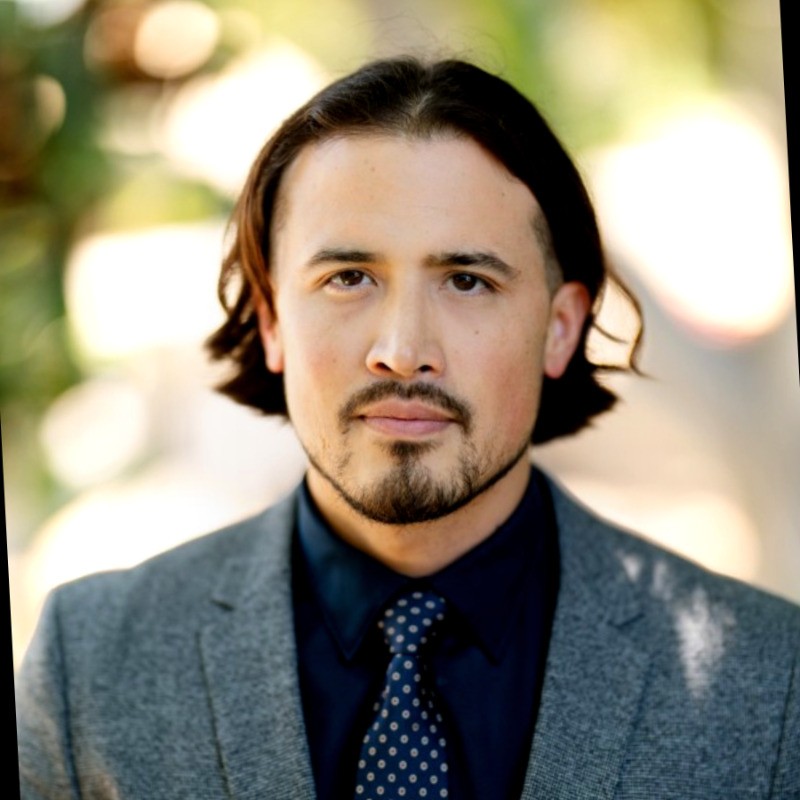
Carlos Solano

For more than a decade, I advised funds, boards, and companies on high-stakes strategic, governance, and sustainability/impact decisions, where financial, environmental, social, and human realities rarely point in the same direction. I am a physicist by training, which left me with a lasting respect for careful thinking, systems, evidence, and the limits of simple explanations.

Alongside that work, I cultivated a practice of facilitated dialogue and the study of wisdom, attention, and how people make sense of difficult situations together. Those worlds kept converging on the same lesson: the deepest tools for navigating complexity do not live in any single person’s head.

I do not enter the circle as the one who already knows the answer. My role is to hold the structure, protect the quality of attention, and often practice alongside the group as something clearer becomes possible.

BRING IT INTO A REAL SITUATION

A guide does not replace the practice.

You can read about courage and define prudence. That is different from proposing a virtue in front of others, having your understanding carefully questioned, and discovering that your original frame no longer quite holds. Some knowledge has to be practiced.

Bring Co-Virtue to your organization Reserve an individual circle